Plots in Gerona - buy, sell or rent easily

Find plots by category in Gerona (Province)


Plots for sale with most wanted features
- Urban 43
- Developable 27
- Non developable 18


Latest publications of land and houses for sale in Gerona (Province)


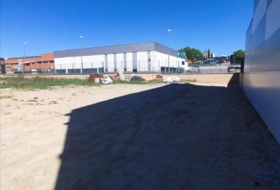
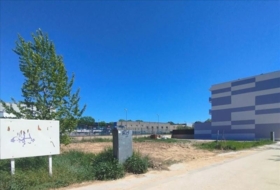
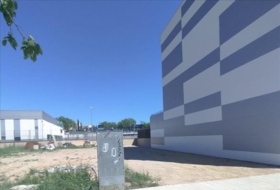
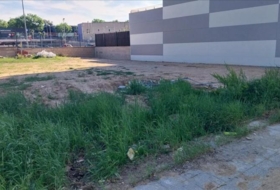
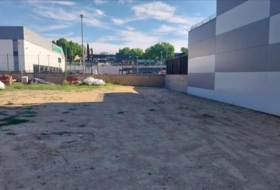
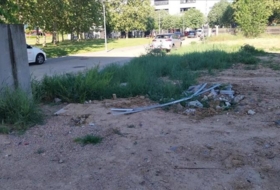
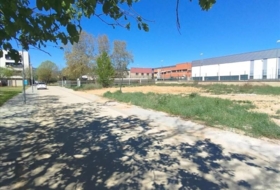
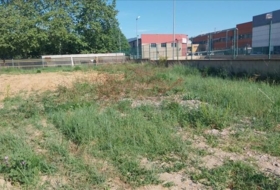
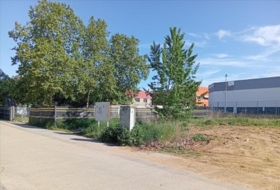
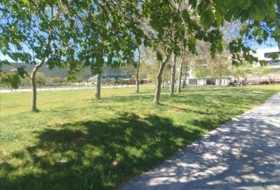
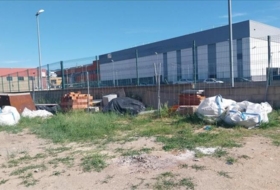
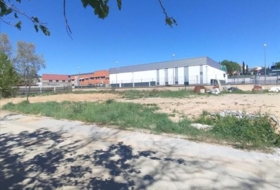
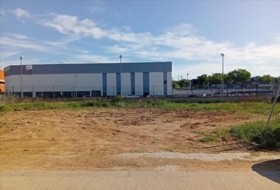

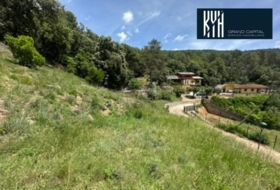
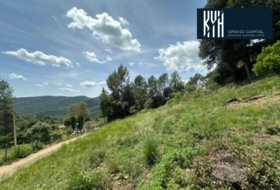
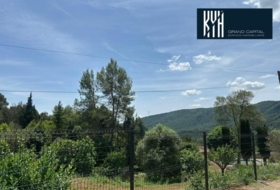
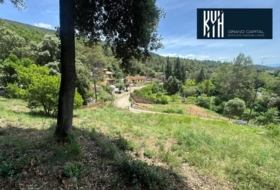
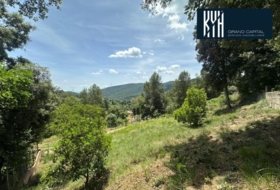
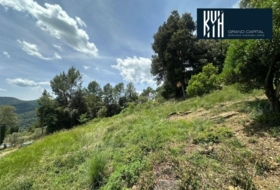
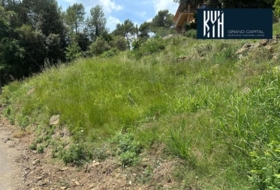
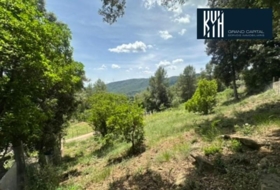
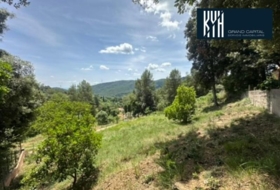
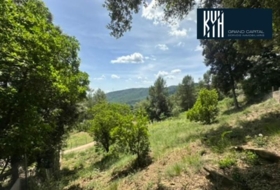
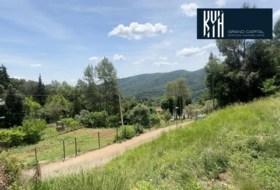
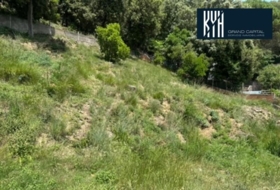
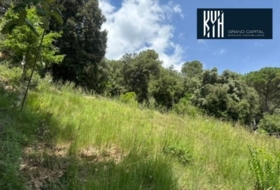
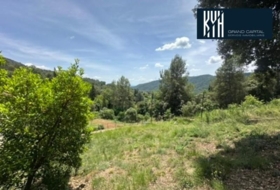
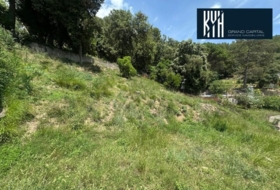

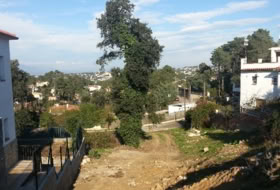
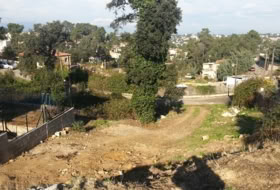
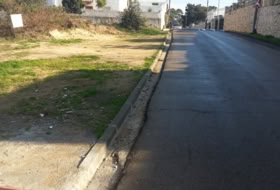
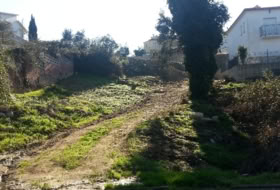


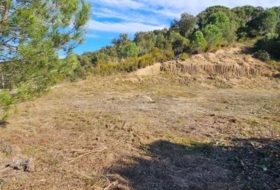
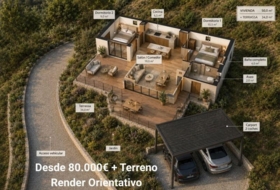
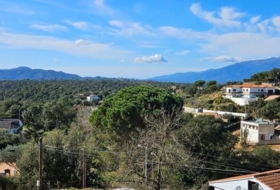
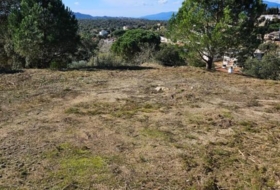
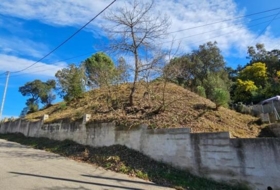
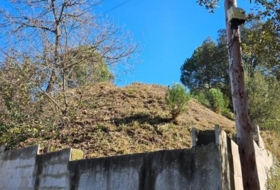
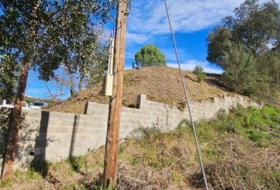
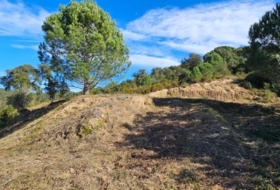
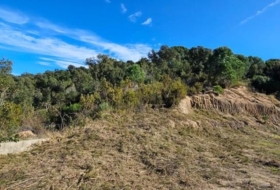
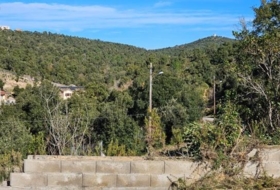
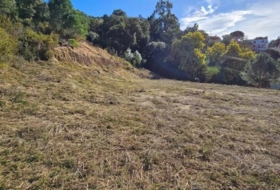
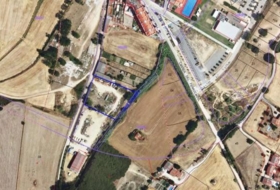
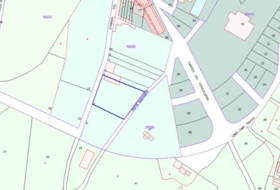
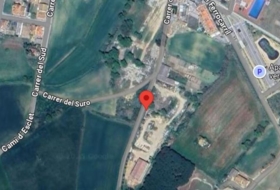
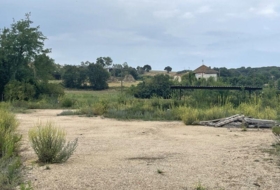
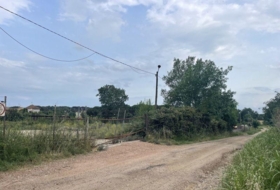
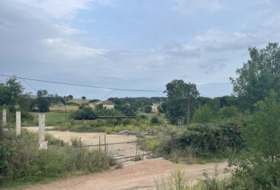
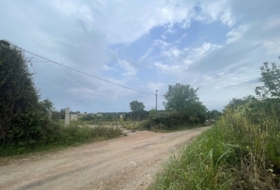
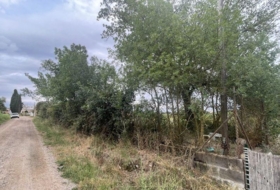
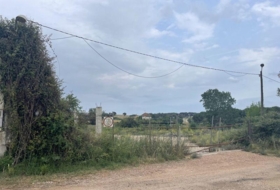
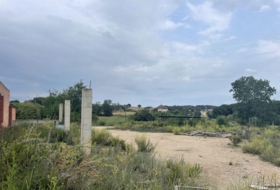
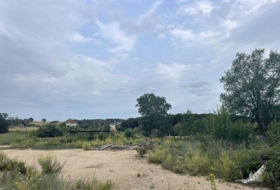
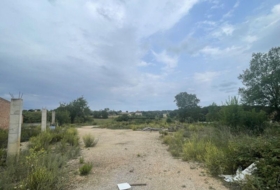
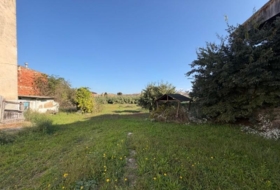
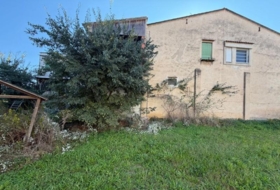
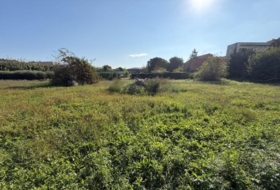
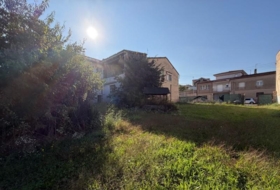
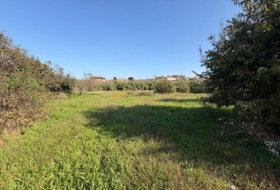
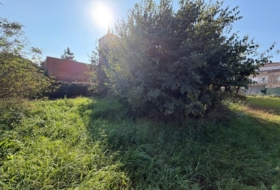
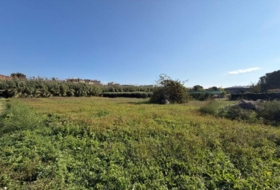
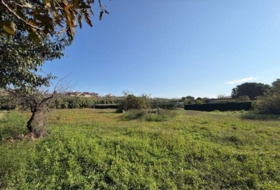
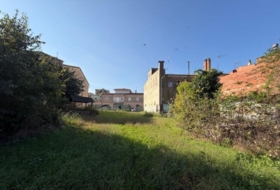
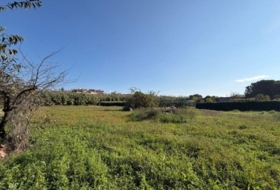
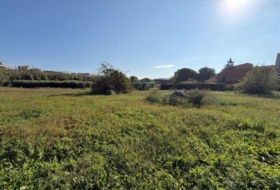
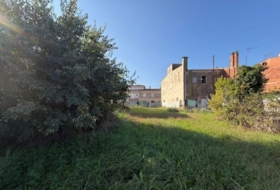
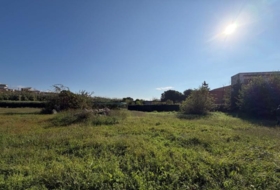
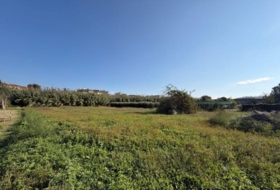
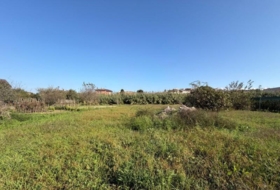
Where to buy land in Girona
The average value of urban land in Girona is the second-highest in the autonomous community, with more than €130/m². The cheapest plots for sale in the province of Gerona are in the municipalities of Arbúcies with a minimum price of €0.20/m², Palau-Saverdera with €0.30/m², Llagostera with €1.50/m² and Jafre with €1.80/m². Prices become more expensive in towns near the coast, where there is a higher population density and demand for land.
In relation to the sale of urban plots in Gerona, the cheapest towns are: Peralada, Llagostera, Vilajuïga and Castelló d' Empúries. The situation of developable land is very similar to that of the urban surface since it is largely grouped in the coastal area. For their part, rustic properties for sale have lower values since prices are cheaper in the interior of the region.
Developable on the coast, not developable in the interior
The province of Gerona (Girona in Catalan), with more than 700,000 inhabitants, is in the northeast of Catalonia and borders France to the north. It is very well connected both with the rest of the country and with Europe.
The main source of its economy is the service sector, with the tourism sector in the lead, followed by industry, construction, and agriculture.
This territory has 3.1% urban land, 1.4% developable and 95.5% non-developable. The coastal counties, more focused on tourism, have a greater amount of urban land and developable land in Girona for sale (especially in the Baix Empordà and Gironés), while in the interior, with a larger agricultural and forest area, the percentage of non-developable is much higher.
A fertile and cultivated land
The climate varies depending on the altitude, it is excellent for cultivation and the land is fertile. On the coast, the Mediterranean predominates, with humid and mild winters and hot summers, while in the Pyrenees the alpine prevails.
The cultivated area represents more than 18% of the territory. Herbaceous crops stand out, including cereals (barley, wheat, oats, corn, and sorghum), followed by forage crops (alfalfa, vallico, corn, polyphyly grasslands and sorghum) and sunflowers. Among the woody ones, fruit trees predominate, followed by vineyards, olive groves and woody ones in nurseries. The meadows and pastures are natural.
Depending on the different regions, due to their climate and orography, various types of agricultural exploitation are carried out. In Cerdanya, dry land is dominated by cereals and potatoes, as well as irrigated meadows thanks to the Segre River. In Ripollés, Garrotxa, Gironés and La Selva, more focused on industry, winter cereals, corn and fodder stand out. Ampurdán is a very rich region in terms of agricultural land, dry farming cereals, vines and olive trees are grown on the hills; while irrigated vegetables, fruit plantations and forage crops are grown on the lower terraces. The industry in this area is mainly derived from agriculture.
A diverse livestock sector
In livestock, pigs stand out, followed by cattle, poultry, sheep, horses, goats, rabbits, and beekeeping.
Recently, photovoltaic panels have begun to be installed on the land in the l'Empurdà region, which is very profitable economically, but on the other hand, it does not benefit the crop fields.
Girona boasts the largest forest area in the country
It is the province with the highest density of forest area in the country, with more than 415,000 hectares, it represents more than 55% of the Catalan territory, with 48,000 trees per square kilometre and the third with the most hectares of territory occupied by forests. These are classified as woody, woody, and open mount.
In its various natural parks, we can find some of these species: leafy forests, conifers, mixed forest, scrub and moorland.
These natural resources are then used in the region's paper and wood industry, for the manufacture of packaging, biomass, paper, furniture, etc.
The agri-food industry in the lead
The industry has always been an important sector in Catalonia. In the Gironino region, the integrated agri-food industry stands out, based on local products, which has suffered a great growth in exports in recent years.
The sector is made up of various activities: firstly, livestock, agricultural and fishing producers, secondly, processing, and thirdly, commercial work, which also includes packaging, machinery, certifying and advertising companies.
Other companies in the region are dedicated to the extractive activity, energy, water and waste management; food, textiles, wood, graphic arts, chemistry and rubber; as well as metallurgy, machinery, electrical and transport equipment.